
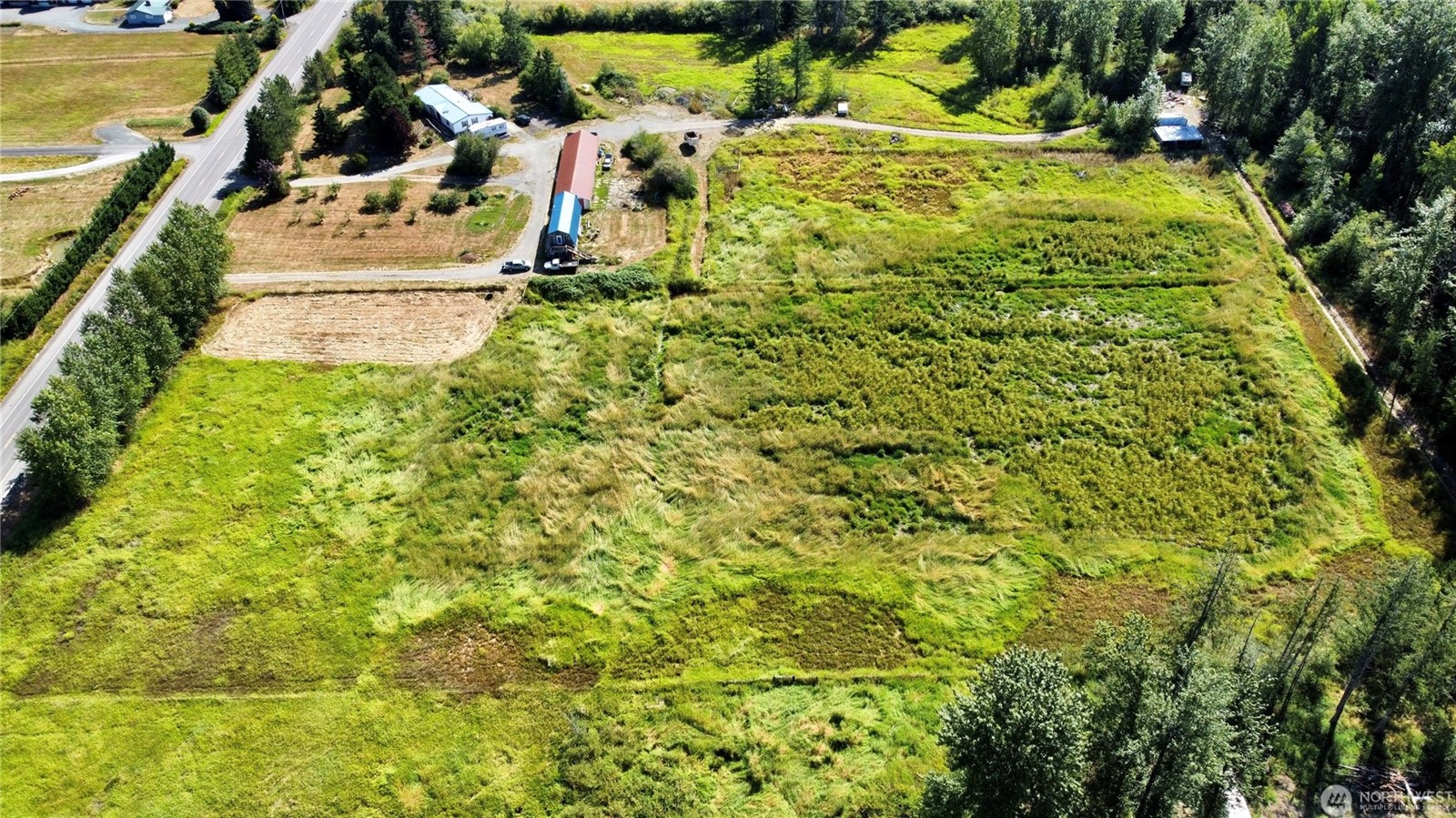
Buying a Home With a Well and Septic in Whatcom County
Once you head outside the city water and sewer lines in Whatcom County, a lot of homes run on a private well and an on-site septic system. That is part of what makes rural and small-town living here possible: more land, more privacy, and more room for gardens, animals, and shop space. It also means you are buying the water supply and the wastewater system along with the house.
The good news is that Whatcom County has clear rules for both, and a little homework before you make an offer goes a long way. Here is what we walk our buyers through when a well and septic are part of the picture.
Septic Systems: What Whatcom County Requires
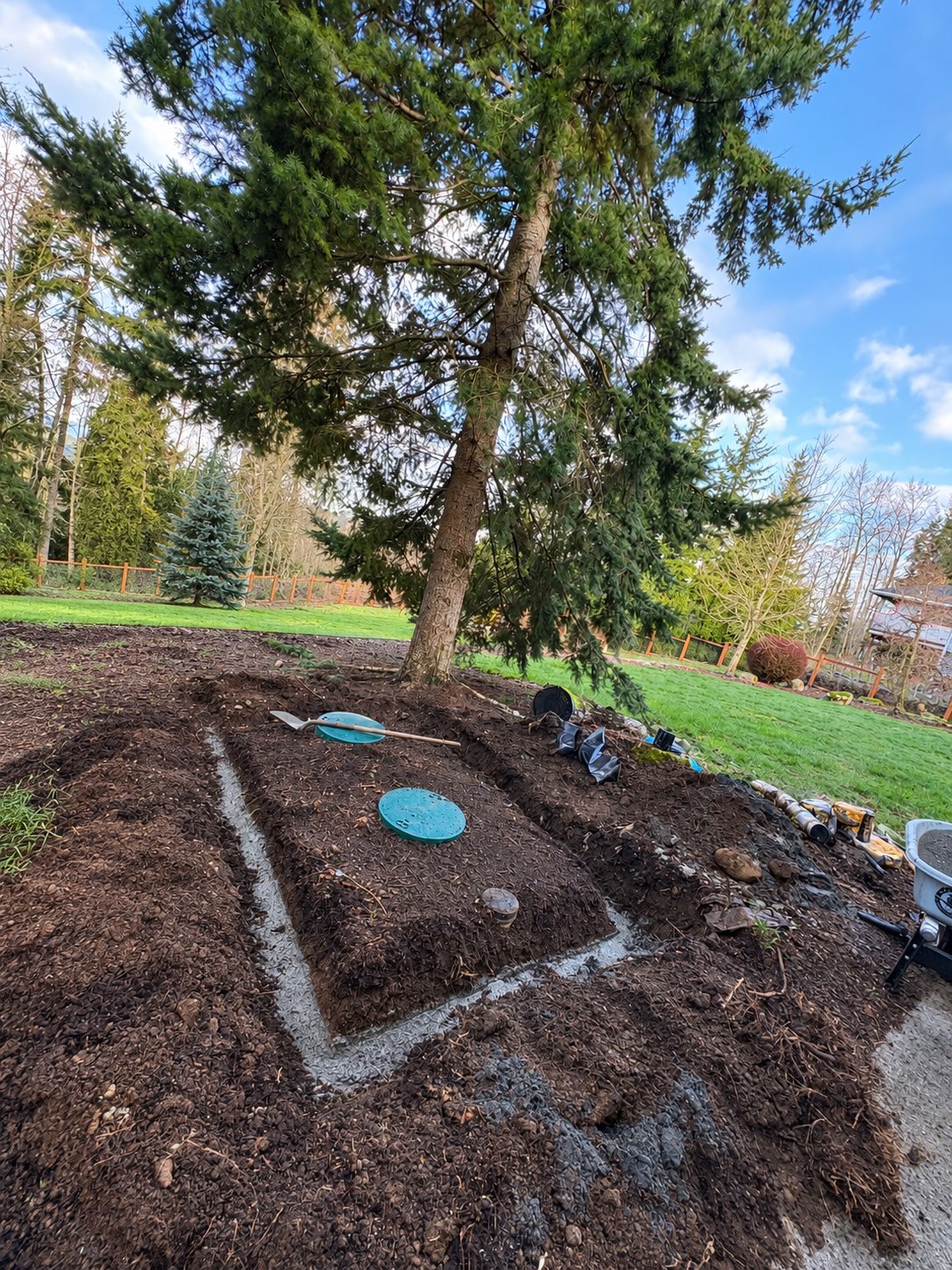
Whatcom County Health and Community Services oversees on-site septic systems, and it requires regular evaluations. How often depends on the type of system.
Quick Facts: Septic in Whatcom County
- Conventional gravity systems: evaluated every 3 years
- All other systems (pressure, mound, and other treatment systems): evaluated every year, or more often if the manufacturer requires it
- When a home sells: a current inspection report, called a Report of System Status, must be on file with the county
- Who can do the sale inspection: a licensed septic professional (homeowners can be certified to evaluate their own system in some cases, but not for a sale)
- Help with costs: Whatcom County's Septic Maintenance Rebate Program
When you are looking at a home with septic, ask for the county septic records. They often include the original permit, a drawing of where the tank and drainfield sit, and past inspection reports. A few things worth looking for:
- System type. A gravity system and an alternative system (like a mound or pressure system) have different maintenance schedules and costs.
- Inspection history. Have the required evaluations been done on schedule?
- Pumping and repairs. When was the tank last pumped, and have any parts been replaced?
- Drainfield location. Knowing where it is matters if you are planning a shop, garage, addition, or driveway.
- Bedroom count. Septic systems are designed for a certain number of bedrooms, which is worth checking against how the home is being marketed.
Private Wells: What to Test and Why
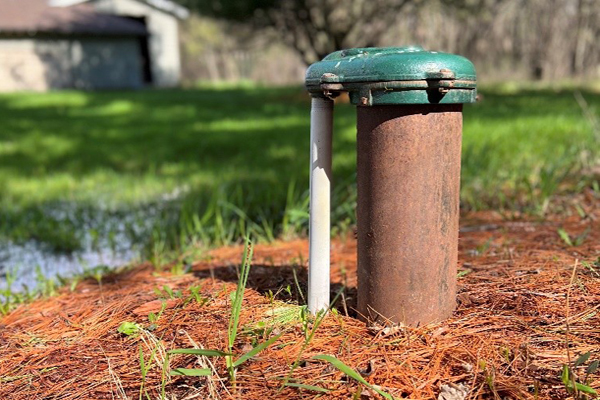
Unlike septic, a private well does not come with a county inspection schedule. Testing and upkeep are up to the owner, which makes it even more important to know what you are buying.
Quick Facts: Wells in Whatcom County
- County option: Whatcom County offers a Real Estate Drinking Water Inspection, often requested by a buyer or lender
- What it covers: a visual check of the well and its setbacks, plus a bacteria test
- What it does not cover: pump or flow testing, or chemical tests like nitrate and arsenic
- Timing: allow at least one week after sampling for results
- Ongoing care: the Washington State Department of Health recommends testing every year for coliform bacteria and nitrate
For a well, we suggest buyers think about three things: water quality, water quantity, and paperwork.
Water quality. A bacteria test is the baseline. Nitrate is worth adding too, especially in north county. A Washington Department of Ecology study of the Sumas-Blaine aquifer, which sits under the Lynden, Sumas, and Everson area, found that about one in four wells sampled did not meet the drinking water standard for nitrate. The Department of Health also suggests testing for arsenic, once in summer and once in winter, to catch seasonal changes.
Water quantity. Since the county inspection does not include a pump test, a separate flow test from a well professional tells you how much water the well can actually deliver. That matters if you plan to garden, keep animals, or add a home on the property later.
Paperwork. Ask for the well log, any past water test results, and information on any treatment equipment. If the well is shared with neighbors, ask for the shared well agreement so you know how costs, repairs, and access are handled.
Building or Adding On? Know the Water Rules
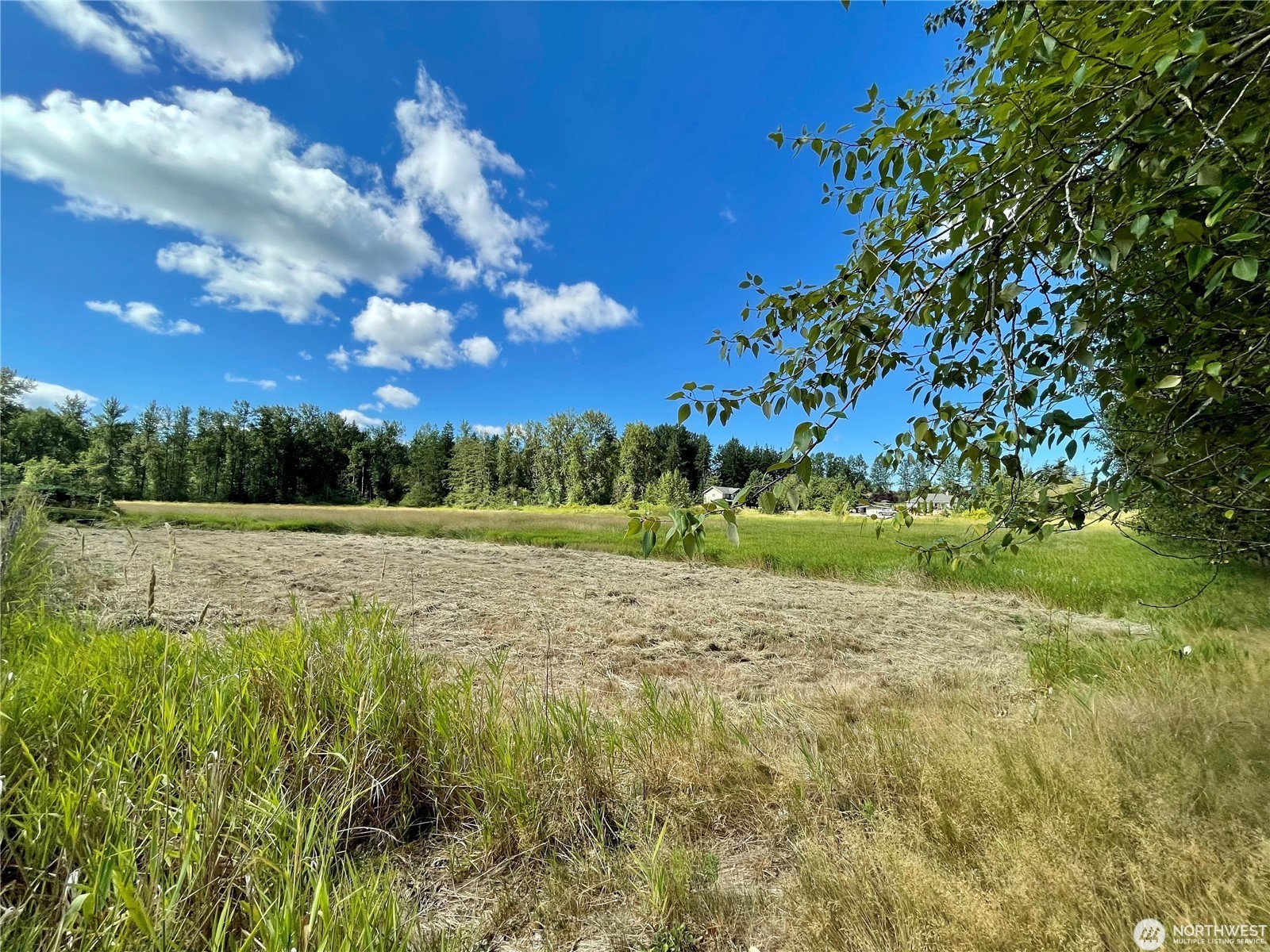
If you are buying land to build on, or plan to add a home to a property, new wells come with their own rules. After the 2016 Hirst decision and the state's 2018 water law that followed, a new permit-exempt domestic well in the Nooksack watershed is limited to an average of 3,000 gallons per day, with a $500 fee as part of the building permit process. The water limit is also recorded on the property title. If water for a future build is part of your plans, it is worth talking to the county early.
Questions to Ask Before You Make an Offer
- What type of septic system is it, and when was it last evaluated and pumped?
- Is a current Report of System Status on file with the county, or will one be done before closing?
- Where are the tank and drainfield located?
- When was the well last tested, and for what?
- Is there a well log, and is there any water treatment equipment?
- Is the well shared, and is there a written agreement?
- What does the seller disclosure say about water and septic?
Frequently Asked Questions
Do I need a septic inspection to sell a home in Whatcom County?
Yes. Whatcom County requires a current inspection report, called a Report of System Status, on file with Whatcom County Health and Community Services when a property with septic is sold or transferred, and it must be done by a licensed professional.
How often does a septic system need to be inspected in Whatcom County?
Conventional gravity systems are evaluated every 3 years. All other system types are evaluated every year, or more often if the manufacturer requires it.
Is a well water test required to buy a home in Whatcom County?
Whatcom County's Real Estate Drinking Water Inspection is generally used when a buyer or lender requests it. Either way, we recommend testing for every buyer. The county inspection includes a bacteria test, and buyers can add tests like nitrate and arsenic through a certified lab.
Can I drill a new well on land I buy in Whatcom County?
In many cases, yes, but new permit-exempt domestic wells in the Nooksack watershed are limited to an average of 3,000 gallons per day and come with a $500 fee through the building permit process. Check with the county before you buy.
Thinking About Rural Living in Whatcom County?
A well and septic should not scare you away from a home you love. They just call for a few extra questions and the right inspections, and knowing what to ask up front makes the whole process smoother.
Rules and fees can change, so for the latest on your specific property, check with Whatcom County Health and Community Services. And if you are starting to look at homes outside the city, reach out through our website. We would love to help you find the right fit and walk you through every step.


© 2026 Windermere Real Estate
Ian Cross, WA Real Estate License #20118935 | Samantha Cross, WA Real Estate License #20121767 | Windermere Real Estate
